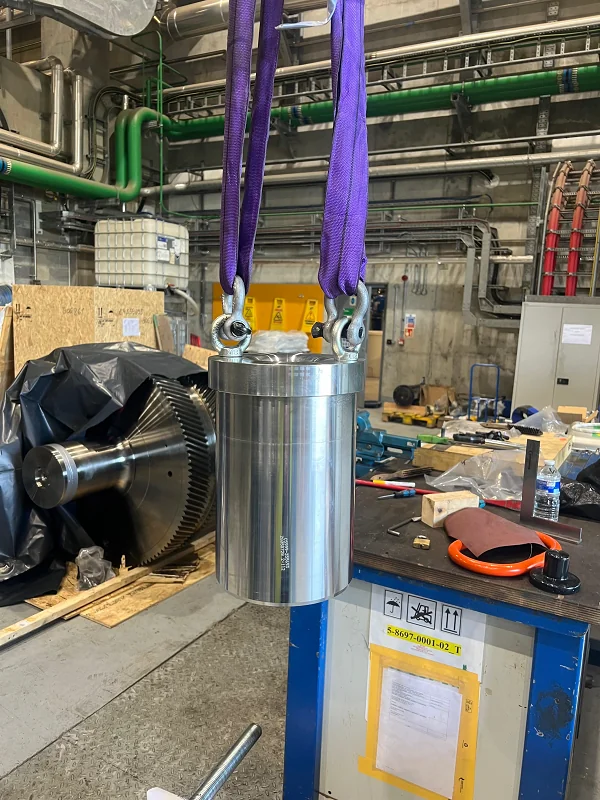
The liquid nitrogen shrink fitting process uses controlled cryogenic cooling to temporarily contract a metal component. Engineers cool the selected component using liquid nitrogen before positioning it into the required assembly. As the component warms, the metal expands and creates a secure interference fit.
This controlled process can provide an effective alternative to heating, welding, adhesives or mechanical fasteners for suitable applications.
Our experienced engineers provide specialist shrink fitting services for commercial and industrial projects across London and the South East.
What is the Liquid Nitrogen Shrink Fitting Process at a Glance?
The process typically follows seven key stages:
Assess → Prepare → Cool → Contract → Position → Warm → Interference Fit
Engineers first assess the components, materials, dimensions and required tolerances. Next, liquid nitrogen cools the selected component and causes the metal to contract temporarily. The team then positions the contracted component within the mating assembly. As the component warms, the metal expands and creates the required interference fit.
This technique is also known as cryogenic shrink fitting or cold shrink fitting. If you are new to the technique, read our What is Shrink Fitting Guide for a broader introduction.
Why do Engineers use Liquid Nitrogen for Shrink Fitting?
Liquid nitrogen provides rapid and controlled cooling for suitable metal components. At atmospheric pressure, liquid nitrogen has a boiling point of approximately -196°C. This extremely low temperature can create the contraction required for specialist interference fitting.
Unlike heat-based methods, the process does not require engineers to heat the mating component. This can make shrink fitting using liquid nitrogen particularly useful where hot work presents practical challenges.
Liquid nitrogen also evaporates as it warms. Therefore, the process does not leave liquid residue on the component. However, every application requires careful assessment. Material, dimensions, tolerances and the required interference all influence the chosen procedure.
How Does the Liquid Nitrogen Shrink Fitting Process Work?
Every project differs, but the liquid nitrogen shrink fitting procedure follows several controlled stages.
1. How do Engineers Assess the Components?
The process starts before engineers apply any liquid nitrogen. First, the team reviews the component dimensions, materials, tolerances and required interference fit. Accurate information helps determine whether cryogenic shrink fitting provides a suitable solution. Engineers must also consider site conditions, access and the safe handling of each component.
2. How do Engineers Prepare for Shrink Fitting?
Good preparation helps the installation run smoothly. The team checks the components and confirms the planned fitting arrangement. Engineers also prepare the specialist equipment required for controlled cooling. Site-specific risk assessments and safe working procedures form an important part of this preparation. Planning matters because the fitting stage requires controlled handling and accurate positioning.
3. How Does Liquid Nitrogen Contract the Metal?
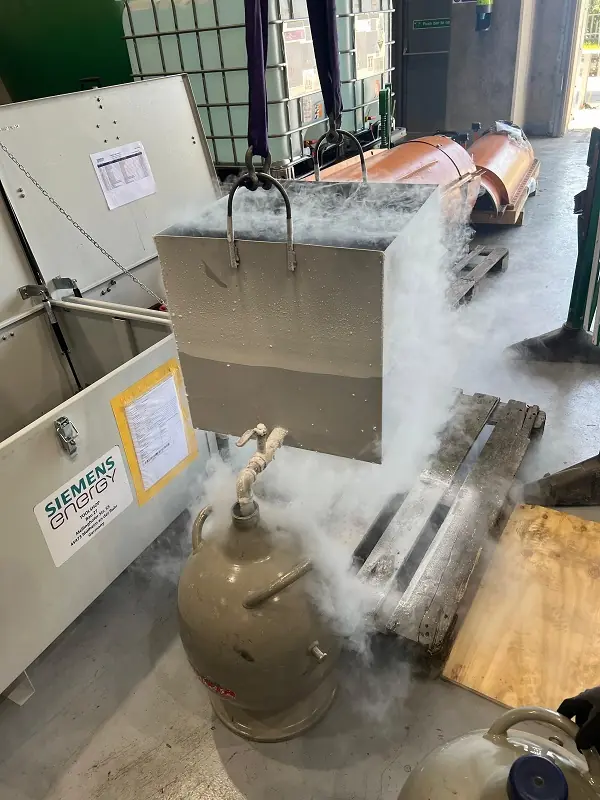
Engineers use liquid nitrogen to reduce the temperature of the selected metal component. As its temperature falls, the material contracts. This temporary dimensional change creates additional clearance for installation. The amount of contraction varies between projects. Material properties, component dimensions and temperature change all affect the final movement. For this reason, engineers must assess the application rather than rely on one standard shrinkage figure.
4. How is the Contracted Component Installed?
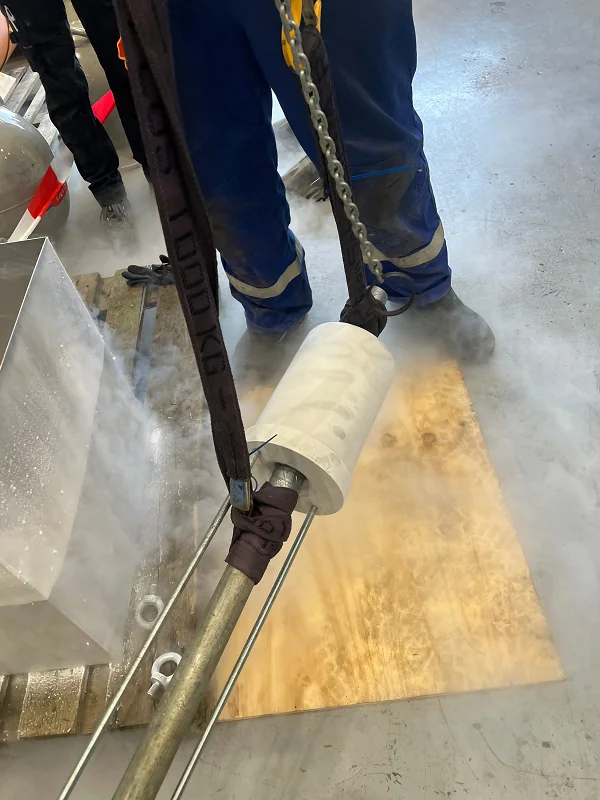
Once the component reaches the required condition, engineers carefully position it within the mating assembly. The temporary contraction provides the clearance needed to complete the installation. Accurate alignment remains important throughout this stage. Engineers must position the component correctly before its temperature begins to rise significantly. This controlled approach makes shrink fitting using liquid nitrogen suitable for precision engineering applications.
5. What Happens When the Component Warms up?
After installation, the component naturally begins returning towards ambient temperature. The metal expands as its temperature rises. This expansion removes the temporary clearance created during cooling. Both components then create the designed interference fit. No additional adhesive or mechanical fastener may be required where the engineered design relies solely on interference.
6. How do Engineers Complete the Shrink Fitting Procedure?
The process does not simply end when engineers position the component. The team allows the assembly to stabilise and checks the completed installation against the project requirements. Every application has different specifications. Engineers therefore follow the agreed procedure for that particular component and installation. Our shrink fitting services provide specialist support for projects requiring controlled cryogenic fitting using liquid nitrogen.
What can Affect a Liquid Nitrogen Shrink fit?
Several factors can influence the success of a cryogenic shrink fitting project. Material type plays an important role because metals have different thermal expansion characteristics. Component size also matters. Larger components may respond differently to cooling than smaller precision parts.
Engineers must also consider:
- Component dimensions and tolerances
- Required interference
- Material properties
- Temperature change
- Installation clearance
- Component handling and positioning
- Site access and working conditions
Assessing these factors before work begins helps engineers plan a controlled installation.
What are the Benefits of Shrink Fitting Using Liquid Nitrogen?
Liquid nitrogen shrink fitting can provide several practical benefits for suitable industrial applications.
- Avoids applying heat to the component
Cryogenic cooling contracts the selected component rather than relying on heat to create installation clearance. - Creates a precise interference fit
Controlled contraction allows engineers to position components before they return to their original dimensions. - Avoids welding and adhesives in suitable applications
The designed interference between components creates the mechanical fit. - Supports on-site installation
Specialist teams can carry out cryogenic shrink fitting on-site where project conditions allow. - Can help reduce disruption
A planned shrink fitting procedure can simplify complex component installation and avoid some alternative fitting methods.
These benefits depend on the application. Engineers should assess the materials, tolerances and site requirements before recommending the process.
Where Have we Used Liquid Nitrogen Shrink Fitting on Client Projects?
Our engineers have used liquid nitrogen shrink fitting on specialist projects in different working environments. These projects demonstrate how controlled cryogenic cooling can support real component installations. Please read our projects listed below.
Related Case Studies
Liquid Nitrogen shrink Fitting Project at an Energy Facility in Croydon
Our engineers completed specialist liquid nitrogen shrink fitting in Croydon as part of a planned engineering project. The team used controlled cryogenic cooling to contract the required nozzle before installation. Once cooled, the component was positioned accurately within the assembly. As the component returned towards ambient temperature, the metal expanded to create the required interference fit.
This project demonstrates how liquid nitrogen can provide a controlled solution for specialist interference fitting.
🔗Related case study: Read our Croydon shrink fitting case study to discover more about the project.
Shrink Fitting Completed at Southampton Airport
Our team also carried out shrink fitting at Southampton Airport within a busy operational environment. Engineers used liquid nitrogen to create the controlled contraction required for critical repairs. Careful planning helped our team manage the process around the site’s specific requirements. The aircraft returned to service without costly delays.
The project provides another practical example of shrink fitting using liquid nitrogen for specialist engineering work.
🔗Related case study: Explore our Southampton Airport shrink fitting case study to see how our engineers completed the project.
What is the Difference Between Liquid Nitrogen and Heat Shrink Fitting?
Both techniques use temperature changes to alter component dimensions temporarily. Cold shrink fitting reduces the size of the inner component through cooling. Heat shrink fitting increases the size of the outer component through heating.
The correct method depends on the materials, component sizes, tolerances and project conditions. Liquid nitrogen can provide an effective option where engineers want to avoid heating a component.
What is Shrink Fitting? Read our guide explaining both methods and provides a wider overview of shrink fitting applications.
What Safety Measures Does Liquid Nitrogen Shrink Fitting Require?
Specialist engineers must handle liquid nitrogen carefully because it operates at cryogenic temperatures. Safe working requires suitable PPE, equipment, ventilation and handling procedures.
Engineers must also assess the specific risks presented by the working environment. Our team plans each project around the component, site and installation requirements. This controlled approach helps us manage cryogenic cooling safely throughout the shrink fitting process.
When Should you use a Specialist Shrink Fitting Company?
Shrink fitting requires more than simply cooling a piece of metal. Engineers need to understand the required tolerances, component materials and thermal behaviour before starting work.
Accurate positioning also matters. Once a cooled component begins warming, the available installation clearance starts to reduce. Specialist support becomes particularly valuable for large, complex or high-value industrial components.
With more than 35 years of engineering experience, our team provides quality specialist engineering services across London and the South East. We can assess your requirements and determine whether liquid nitrogen shrink fitting provides a suitable solution – get in touch for a quote.
Frequently Asked Questions About Liquid Nitrogen Shrink Fitting
How cold is liquid nitrogen for shrink fitting?
Liquid nitrogen boils at approximately -196°C at atmospheric pressure. Engineers use its cryogenic temperature to cool and contract suitable metal components during specialist shrink fitting applications.
How much does metal shrink in liquid nitrogen?
There is no single shrinkage measurement that applies to every component. The amount depends on the metal, dimensions and temperature change. Engineers calculate the requirements for each application before completing the fitting process.
Does metal expand again after liquid nitrogen shrink fitting?
Yes. The cooled component expands as it returns towards ambient temperature. This expansion creates the designed interference with the mating component and secures the assembly.
Which metals can engineers use for cryogenic shrink fitting?
Suitability depends on the material properties, component design and required interference. Engineers should assess the specific materials before deciding whether liquid nitrogen shrink fitting provides an appropriate installation method.
How long does the liquid nitrogen shrink fitting process take?
Times vary according to the component size, material, required temperature and installation conditions. A specialist should assess the project before providing an expected programme.
Is cold shrink fitting the same as cryogenic shrink fitting?
The terms often describe the same underlying principle. Engineers cool a component to contract it temporarily before completing an interference fit.
Can liquid nitrogen shrink fitting replace heat fitting?
It can provide an alternative for suitable applications, but neither method suits every project. Material properties, tolerances, component size and site conditions determine the most appropriate approach.
Shrink Fitting Company
Can we help you with your next project?
For safe, effective shrink fitting and pipe freezing services in London and the South East, trust our experienced professionals to deliver high-performance solutions.
As a leading Pipe Freezing Company we deliver Shrink Fitting non-intrusive pipe isolation with precision and reliability. The team providess services across London, Kent, Surrey, Hampshire, Essex, East Sussex, West Sussex and beyond.
Contact us today for:
- Shrink Fitting
- Liquid Nitrogen Pipe Freezing
- Valve Replacement Solutions
- Hot Tapping Services
- Pipe Welding Services
Get a quote:
Talk to us about your project today, please call 020 8302 7644 or email info@idwe.co.uk
View all services IDWe Ltd offer
Stay up to date with IDWe Ltd’s latest news and projects. Follow us on: