
When a valve needs replacing or a new branch is required to connect into an existing system, Facilities Managers often face an important decision. Should the system be drained, or should a pipe freezing contractor isolate the section using an ice plug? For decades, draining pipework was the standard approach. However, modern pipe freezing methods now provide a faster and less disruptive alternative for many commercial and industrial projects.
In fact, one of the most common comments we hear from clients is:
“I didn’t realise we could carry out the work without draining the whole system.”
That is exactly where pipe freezing services delivers value. Rather than emptying hundreds or even thousands of litres of water, a specialist pipe freezing company creates a temporary ‘ice plug’ within the pipe. Engineers can then complete maintenance work while the remainder of the system stays operational.
What is the Difference Between Pipe Freezing and Draining Pipework?
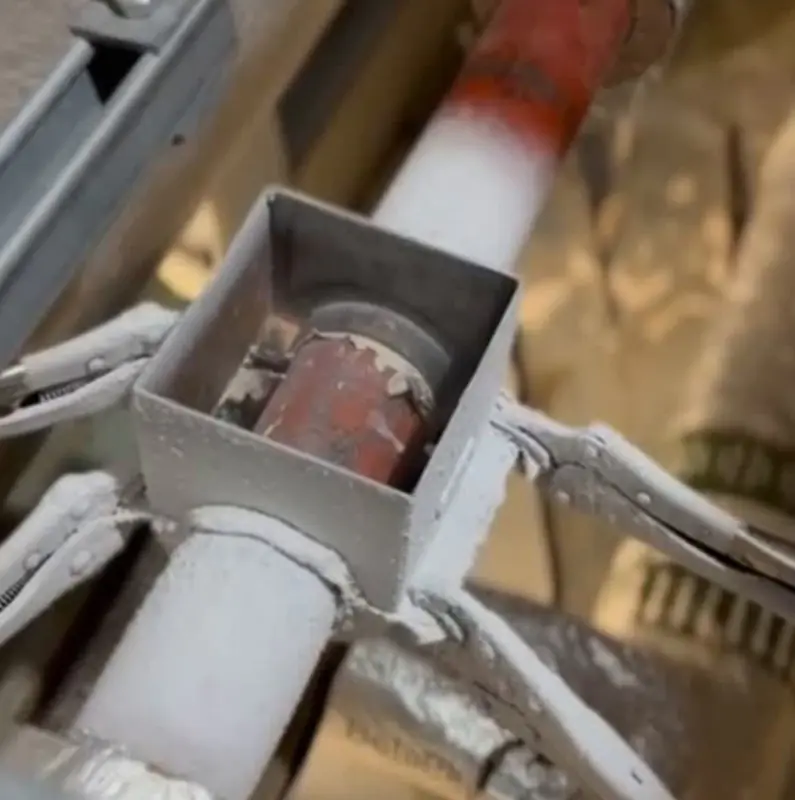
Pipe freezing and draining pipework are two different methods used to isolate pipe systems during maintenance, repairs, or modifications. Draining pipework requires engineers to empty all or part of a system before work can begin. Pipe freezing services create a temporary ice plug inside the pipe by attaching a freeze jacket around the pipework and introducing liquid nitrogen. The ice plug safely isolates a section of the system, allowing engineers to complete repairs, valve replacements, or modifications without draining the entire system.
For many commercial and industrial heating, chilled water, and process systems, pipe freezing reduces downtime, minimises disruption, and avoids the need for draining, refilling, and recommissioning.
Why Does the Decision Matter?
At first glance, draining a system may appear straightforward. However, most commercial heating and chilled water systems are far more complex than people realise. Imagine replacing a valve on a large, chilled water line serving an occupied office building.
A traditional drain down may involve:
- Building shutdowns affecting occupants
- Draining thousands of litres of water
- Additional chemical treatment costs
- Air removal and venting requirements
- Pump and control system recommissioning
- System balancing before handover
- Delays while temperatures stabilise
As a result, a relatively small maintenance task can quickly become a much larger project. By contrast, pipework freezing technique isolates only the section requiring work. Therefore, engineers can complete the modification while avoiding disruption across the wider system.
What is Cryogenic Pipe Freezing?
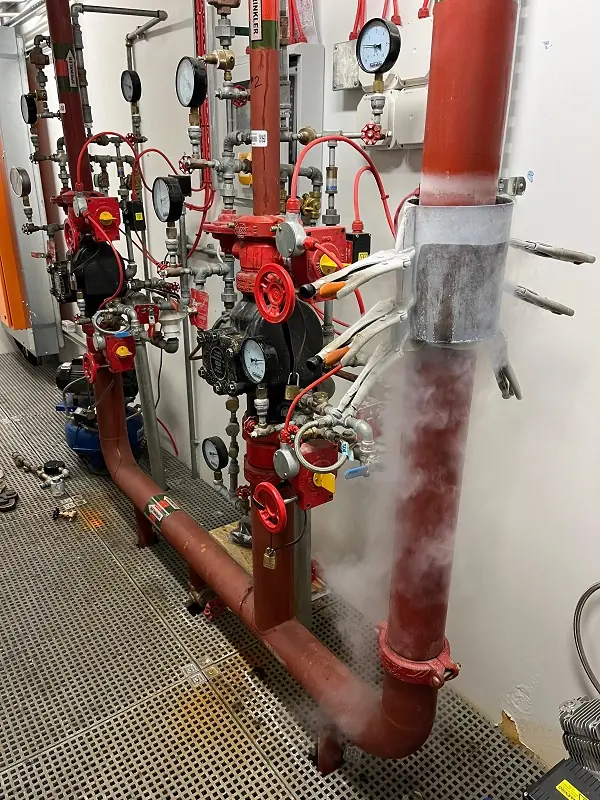
Many commercial projects use cryogenic pipe freezing because it provides a reliable solution for larger pipe sizes and demanding applications. Cryogenic freezing uses liquid nitrogen pipe freezing techniques to rapidly freeze the liquid within the pipe.
With temperatures reaching approximately -196°C, liquid nitrogen allows engineers to establish a secure pipework freeze quickly and efficiently. This form of cryogenic freezing is widely used on heating, chilled water, process, and industrial pipework systems. For a deeper explanation, read our guide.
How Does the Pipe Freezing Process Work?
Many clients ask how pipe freezing works before choosing this method. Although every project differs, the pipe freezing process typically follows five key stages.
1. System Assessment
Engineers assess pipe size, pipe material, temperatures, pressures, and system conditions. This stage ensures the selected pipe freezing method suits the application.
2. Freeze Jacket Installation
Specialist freezing jackets are fitted around the chosen section of pipework.
3. Liquid Nitrogen Application
The engineer introduces liquid nitrogen into the freeze jackets. Therefore, the temperature rapidly falls around the pipe.
4. Ice Plug Formation
The liquid inside the pipe freezes and forms a solid ice plug. Next, this creates a temporary isolation point that allows maintenance work to begin.
5. Maintenance And Controlled Thaw
Engineers complete the required work before allowing the frozen section to thaw naturally. What’s more, the system then returns to normal operation.
Is Pipe Freezing More Cost Effective Than Draining Pipework?
Many people compare only the direct project cost. However, experienced building engineers often focus on the wider financial impact. Draining a system can introduce hidden costs such as:
- Additional labour
- Water treatment replacement
- System balancing
- Extended shutdown periods
- Occupant disruption
- Lost operational time
Meanwhile, expert pipe freezing companies often allow engineers to complete work more efficiently. As a result, the overall project cost may prove significantly lower despite the specialist equipment involved.
What Real Projects Demonstrate the Benefits of Pipe Freezing?
Our team regularly supports projects where draining the system would have caused significant disruption.
Recent examples include:
- Liquid nitrogen pipe freezing at a wastewater treatment works to introduce a new valve while maintaining operations – read the related case study
- Cryogenic pipework freezing in South Kensington on a live building services system – read our case study
- Pipe freezing services for a school in Maidstone, Kent for a critical valve replacement – read our story
- LTHW and CHW valve installation projects across London using specialist pipework freezing techniques – read case study
These projects demonstrate why many clients choose a specialist pipe freezing contractor instead of carrying out a full drain down.
As one of the UK’s most established pipe freezing contractors, we provide high quality pipe freezing services across London, Kent, Surrey, Hampshire, Essex, East Sussex, West Sussex and beyond. Contact us today on: 020 8302 7644 or info@idwe.co.uk
Frequently Asked Questions Pipe Freezing vs Draining Pipework
Can Pipe Freezing Isolate Pipework Without Draining the System?
Pipe freezing creates a temporary ice plug that allows engineers to isolate a section of pipework while the remainder of the system stays operational.
Is Pipe Freezing Safe for Commercial Heating Systems?
Experienced pipe freezing contractors carefully assess system conditions before carrying out any freeze.
How Long Does an ice Plug Last During Pipe Freezing?
The duration depends on pipe size, fluid type, and operating conditions. Engineers calculate freeze times during project planning.
Does Cryogenic Pipe Freezing Use Liquid Nitrogen?
Most commercial cryogenic pipe freezing projects use liquid nitrogen to create the ice plug.
What is the Best Alternative to Draining Heating Systems?
Pipefreezing is often the most effective alternative to draining heating systems when only a localised section requires isolation.
Can Pipe Freezing be Used on Chilled Water Systems?
Pipe freeze services are widely used on chilled water, LTHW, CHW, and process pipework systems.
Do Pipe Freezing Services Reduce Project Downtime?
In many situations it can significantly reduce downtime because engineers avoid draining, refilling, and recommissioning the entire system.
Why Should I use a Specialist Pipe Freezing Contractor?
A specialist pipe freezing contractor understands freeze calculations, system conditions, liquid nitrogen handling, and safe ice plug formation. This expertise helps ensure successful project delivery and system protection.
Why Do Facilities Managers Prefer Pipe Freezing In Occupied Buildings?
The section is already talking about practical challenges, so an engineer insight fits naturally.
Engineer Insight
Ross, an experienced building services engineer at IDWe Pipe Freezing, regularly works on heating, chilled water, and mechanical systems across commercial buildings.

According to Ross:
“Many clients initially focus on the cost of the maintenance work itself. However, the real challenge often comes from the disruption caused by draining and recommissioning a system. Pipe freezing services can help avoid lengthy shutdowns, particularly in occupied buildings where maintaining heating, cooling, or process services is critical.”
This practical experience is one reason why many facilities managers choose pipe freezing when modifying live systems.
Reviewed By Ross, Building Services Engineer, IDWe Pipe Freezing
Ross has extensive experience working on commercial heating, chilled water, and mechanical building services systems throughout London and the South East. His practical knowledge helps ensure the technical accuracy of our pipe freezing content.

Can we help you with your next project?
With over 35 years of experience, we are one of the UK’s leading commercial and industrial pipe freezing specialists.
Contact us today on:
Call: 020 8302 7644 | Email: info@idwe.co.uk
Let’s discuss your project and provide a tailored solution that keeps your systems running smoothly.
Our pipe freezing team operates across London, Kent, Surrey, Hampshire, Essex, East Sussex, West Sussex and beyond.
In addition, we deliver high-quality Hot Tapping Services, Shrink Fitting Services, Valve Fitting Services, Electrical Services, HVAC and more.
Would you like to keep up to date with our latest news & projects? Follow us on social media: Facebook, X & LinkedIn